
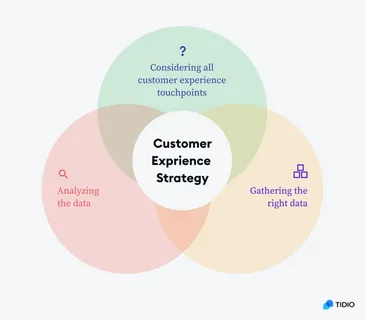
Customer experience has become a central element of modern business strategy. Organizations that prioritize customer satisfaction often achieve stronger brand loyalty and long-term market success.
Businesses analyze customer behavior to understand preferences, expectations, and purchasing patterns. Data collected through online platforms, feedback systems, and market research helps companies design better products and services.
Digital technologies allow businesses to interact with customers through multiple communication channels. Mobile applications, social media platforms, and online support services create convenient ways for customers to engage with companies.
Personalization strategies improve customer experiences by delivering tailored recommendations and services. Retail companies often use data analytics to suggest products that match individual interests.
Employee training also plays an important role in customer satisfaction. Well-trained staff can respond effectively to customer needs and resolve issues quickly.
Organizations that consistently improve customer experience often gain competitive advantages within crowded markets. Positive interactions encourage repeat purchases and strengthen brand reputation.
By combining technology, service quality, and personalized communication, companies can build meaningful relationships with their customers.